Types of Gypsum Ceilings
Gypsum ceilings are available in different types tailored to specific needs:
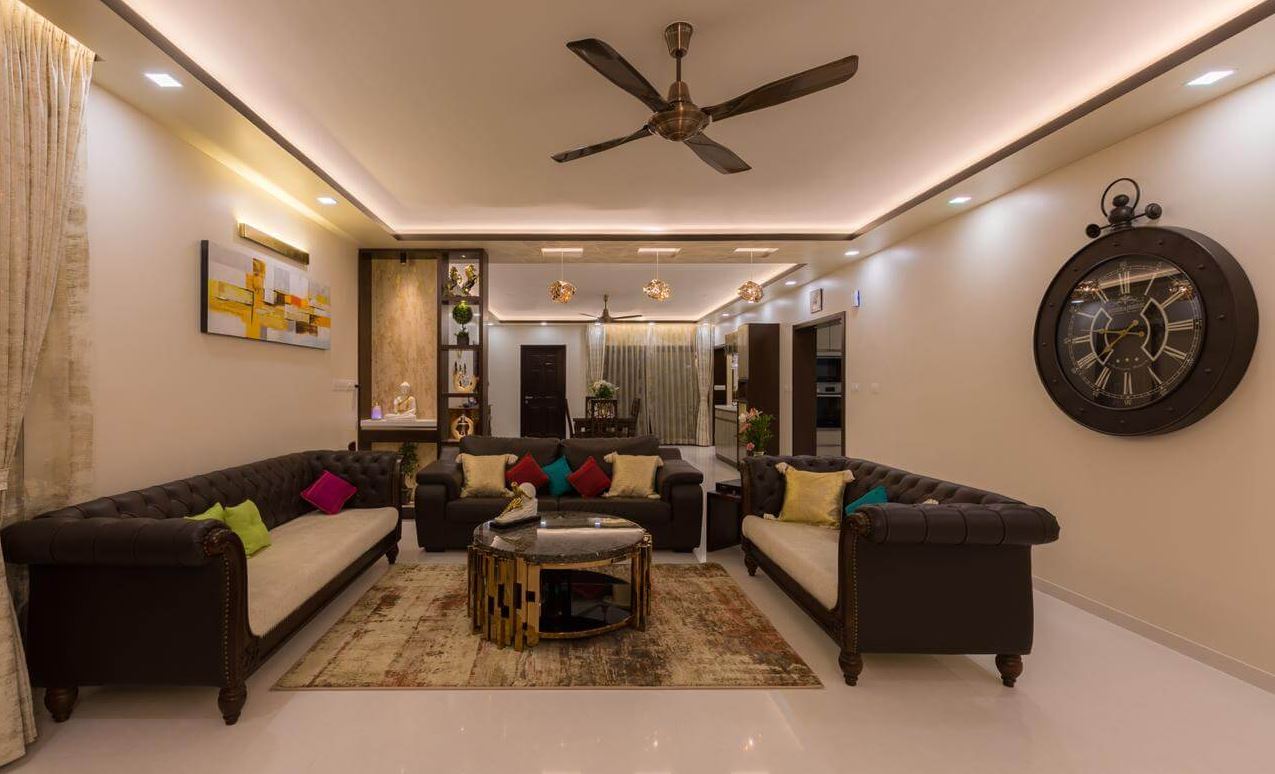
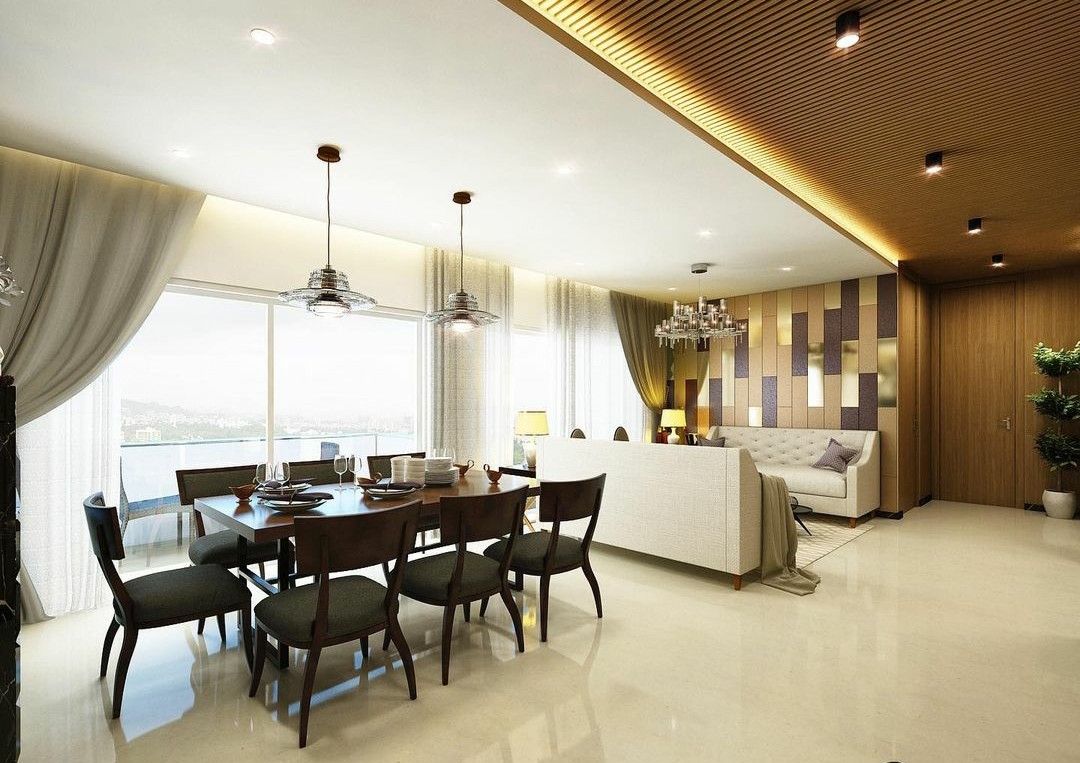
Regular Gypsum Ceilings: Suitable for general use in homes and offices; these are affordable and easy to maintain.
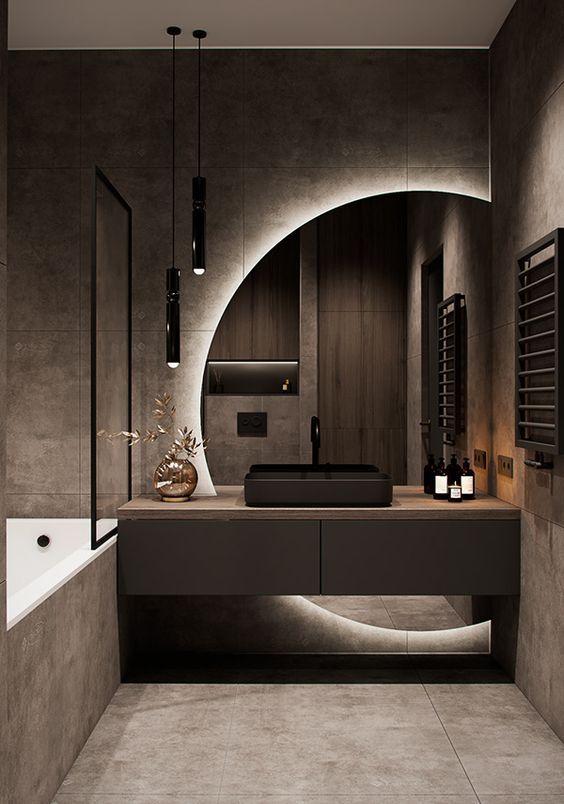
Moisture-Resistant Gypsum Ceilings: Designed for areas with high humidity levels like bathrooms or kitchens; they prevent water absorption and mold growth.
Fire-Resistant Gypsum Ceilings: Equipped with special additives to slow flame spread; commonly used in commercial spaces requiring fire safety compliance.
Soundproof Gypsum Ceilings: Ideal for reducing noise levels in spaces such as theaters or conference rooms.
Applications of Gypsum Ceilings
Gypsum ceilings are widely used across various sectors:
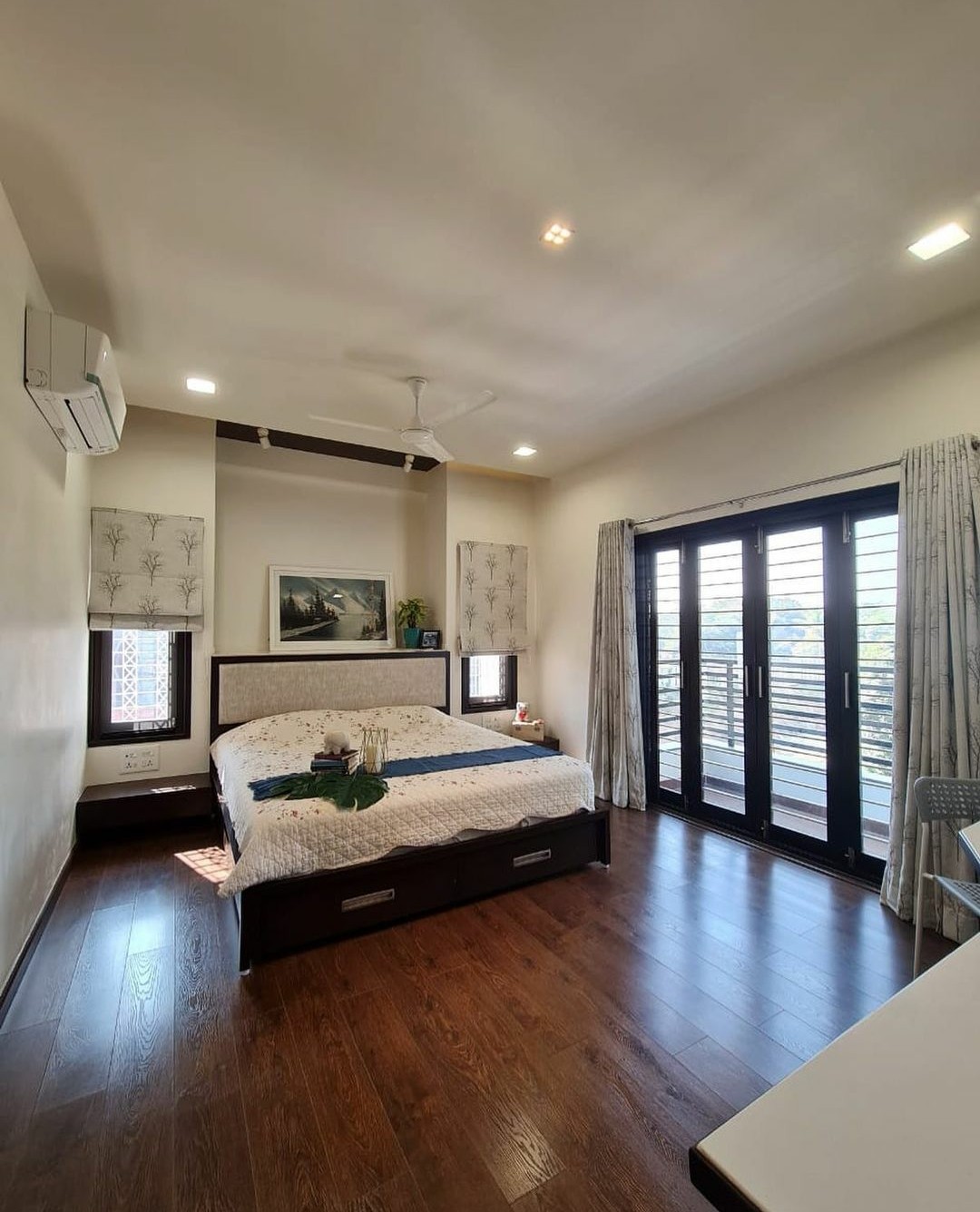
Residential Spaces: Enhance aesthetics while providing durability and moisture resistance.
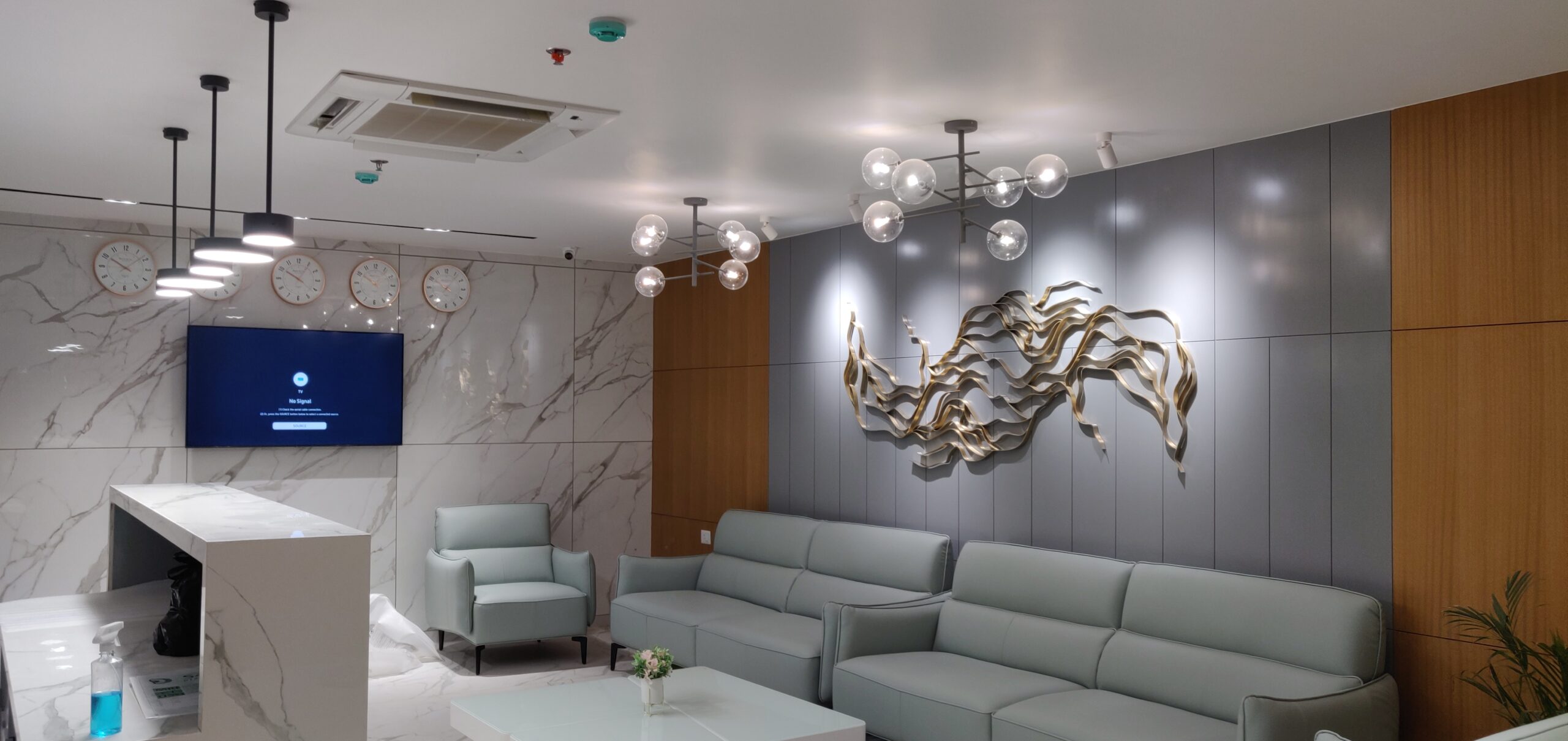
Commercial Buildings: Offer soundproofing and fire safety features essential for offices, retail stores, and public venues.
Healthcare Facilities: Provide hygienic solutions resistant to mold and mildew growth.
Educational Institutions: Create quiet environments conducive to learning through sound isolation properties.
Installation Process
Installing gypsum ceilings involves several steps:
Measure the ceiling area accurately to determine the size of gypsum boards needed.
Cut the boards using a razor knife or saw for precise fitting.
Secure the boards onto joists using drywall screws every six inches to ensure stability.
Cover seams between boards with drywall tape followed by joining compound; sand the surface smooth before painting or finishing.
Conclusion
Gypsum ceilings are a practical and stylish solution for modern interiors. Their ease of installation, fire resistance, sound isolation, durability, and design flexibility make them a preferred choice across diverse applications. Whether you’re renovating your home or constructing a commercial space, gypsum ceilings provide a reliable option that combines functionality with aesthetic appeal.