Types of Grid Ceilings
Grid ceilings come in several configurations to suit different needs:
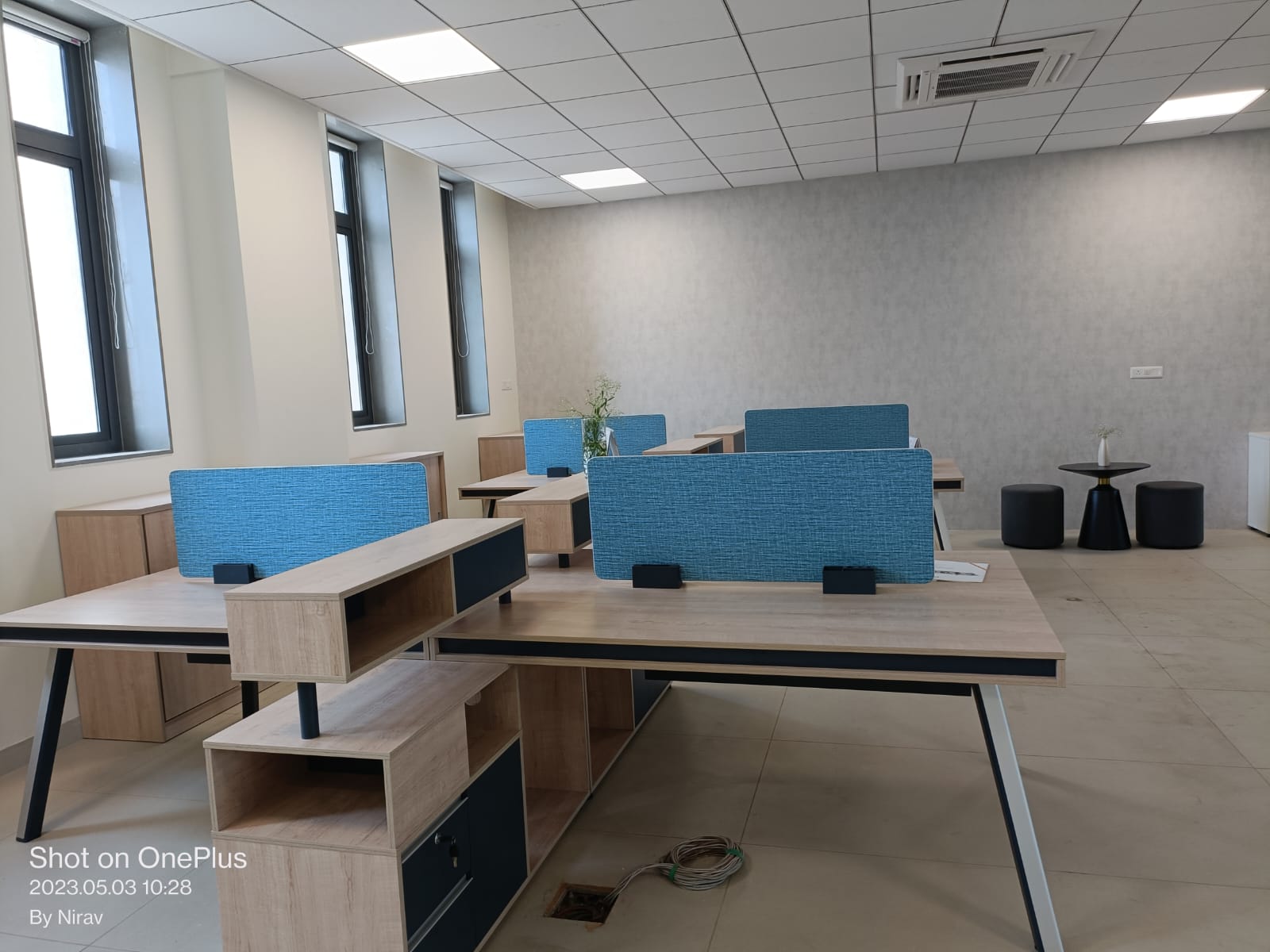
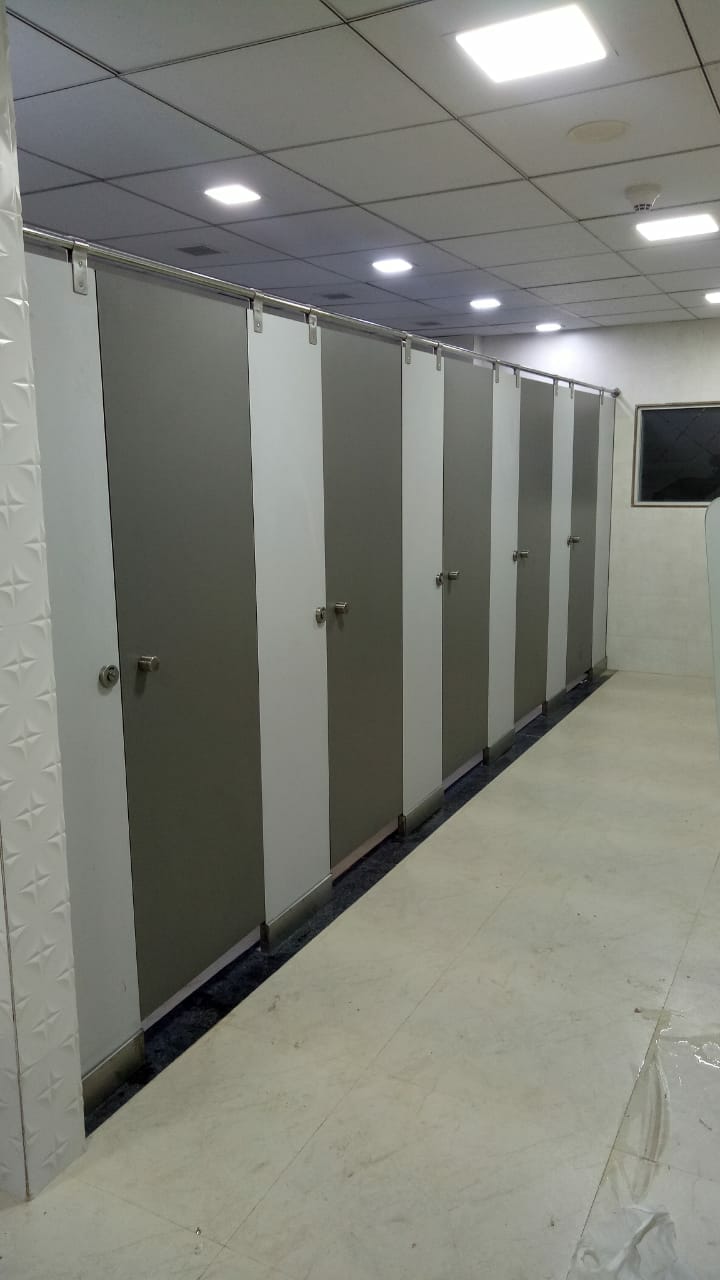
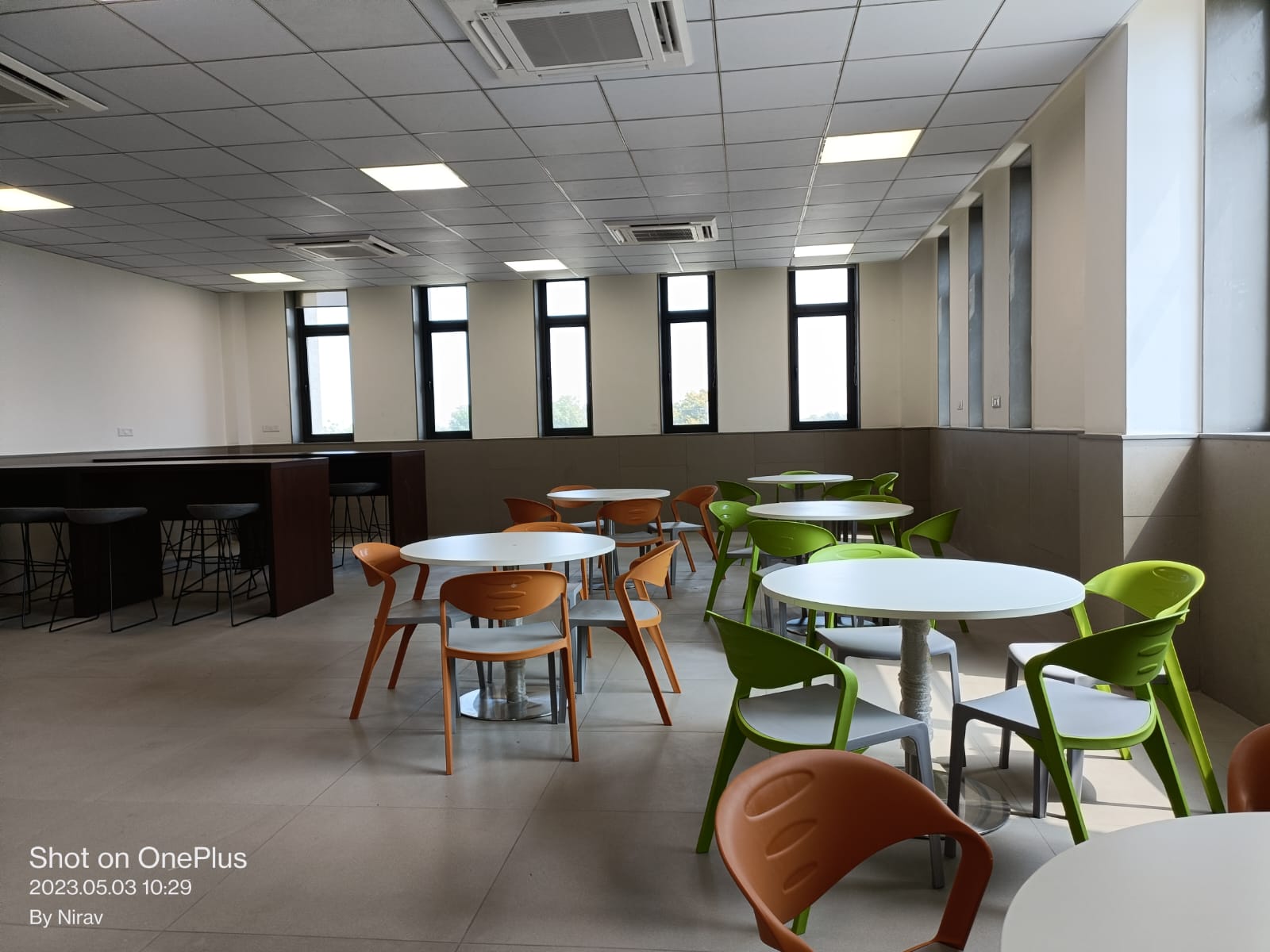
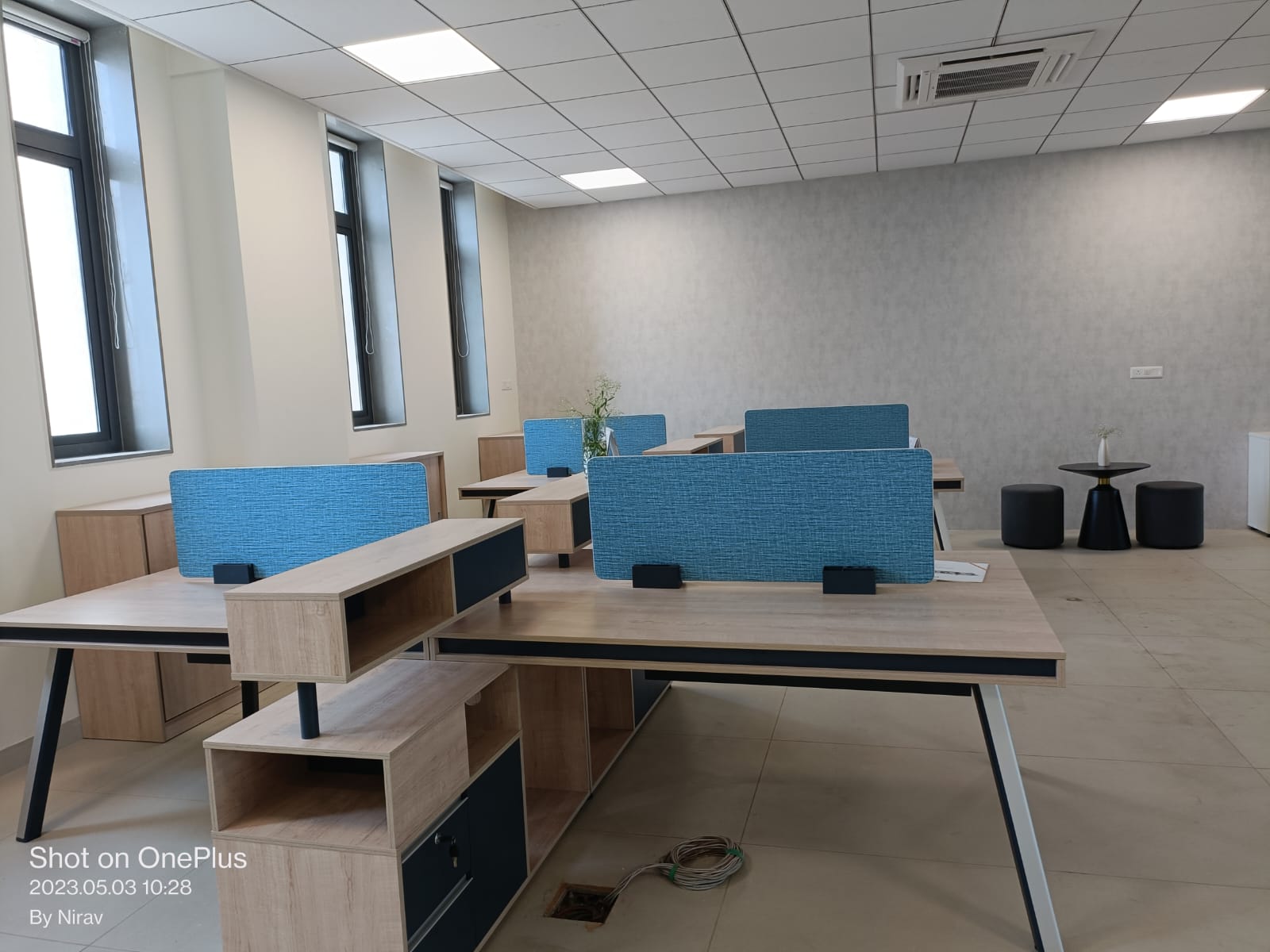
Exposed Grid Ceilings: These feature visible metal tracks that create a linear pattern across the ceiling. They are cost-effective and easy to install, making them popular in commercial spaces like retail stores and restaurants.
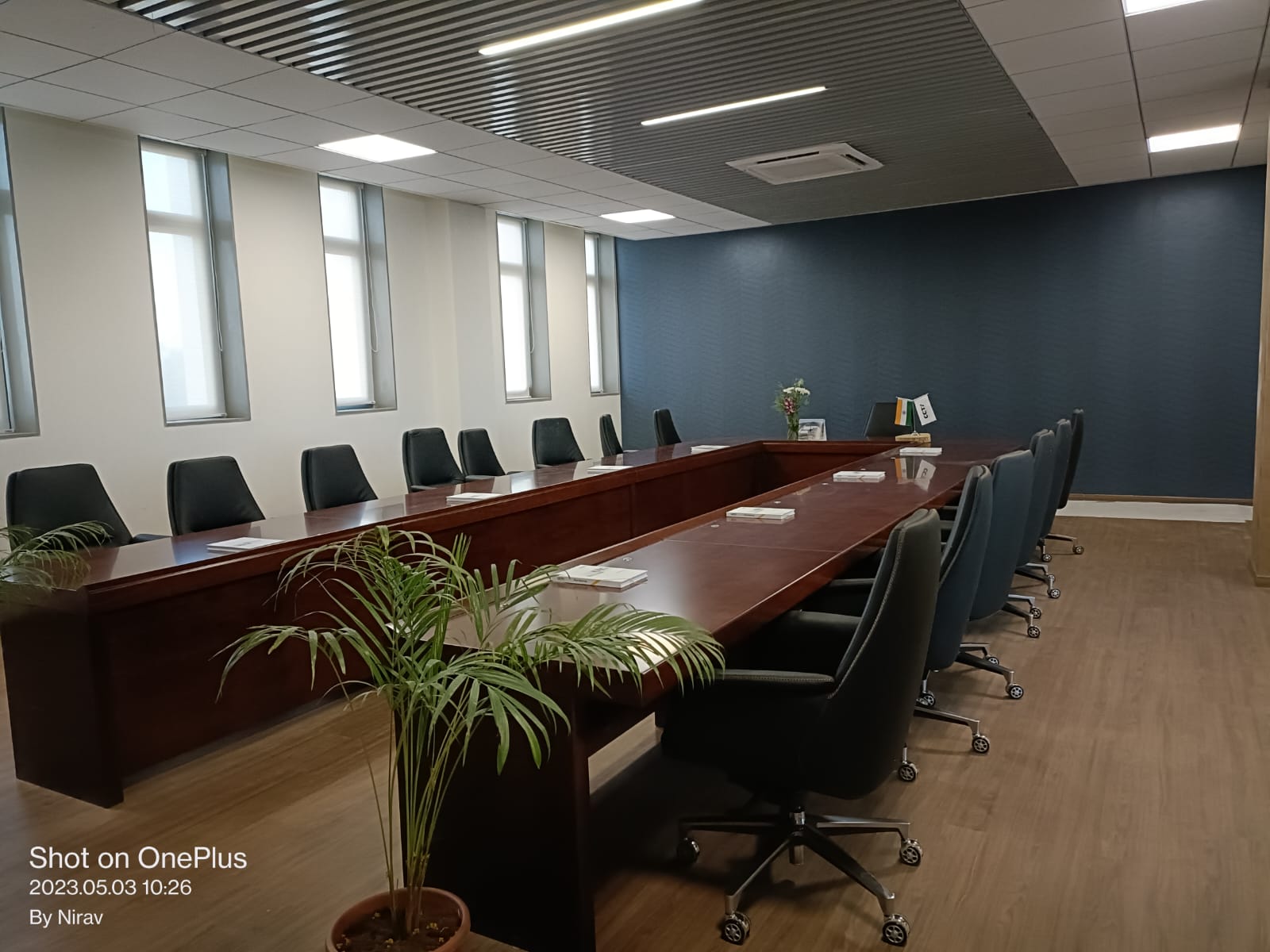
Concealed Grid Ceilings: Designed for a seamless look by hiding the metal tracks behind ceiling tiles. These are ideal for upscale spaces such as hotels or conference rooms where aesthetics are a priority.
Specialty Grids: These include curved grids or systems with built-in lighting for unique architectural designs.
Applications of Grid Ceilings
Grid ceilings are widely utilized across various sectors due to their versatility:
Commercial Spaces: Offices benefit from their acoustic properties and easy maintenance access for IT upgrades or repairs.
Healthcare Facilities: Hygienic tiles with soundproofing capabilities provide quieter environments conducive to patient care.
Hotels: Their sleek design enhances luxurious interiors while offering practical benefits like integrated lighting.
Retail Stores: Grid ceilings hide infrastructure without detracting from product displays.
Installation Process
Installing grid ceilings involves several steps:
Measure and Mark: Accurately measure the room dimensions and mark the perimeter where wall angles will be placed.
Install Wall Angles: Attach wall angles along the room’s edges at the desired height using screws or nails.
Suspend Framework: Use wires to suspend main tees and cross tees from ceiling joists, ensuring alignment with marked locations.
Insert Panels: Place ceiling tiles into the grid framework to complete the installation.
Conclusion
Grid ceilings combine style with practicality, making them an excellent choice for modern interiors. Their ability to enhance acoustics, provide easy access to utilities, improve energy efficiency, and offer customizable designs makes them indispensable in both residential and commercial spaces. Whether you’re renovating an office or designing a hotel lobby, grid ceilings provide a functional yet visually appealing solution that meets diverse architectural needs.