Metal ceilings have become a cornerstone of contemporary architecture, offering a seamless blend of durability, aesthetic appeal, and functionality. These ceilings are crafted from materials such as aluminum, steel, and copper, making them a versatile choice for various spaces, including offices, hospitals, retail stores, and airports. Whether you’re designing a sleek corporate office or a bustling public venue, metal ceilings provide both practical benefits and design flexibility.
Durability and Longevity Metal ceilings are renowned for their exceptional strength and resilience. Unlike traditional materials such as gypsum or wood, metal ceilings resist wear and tear, moisture, and environmental fluctuations. This makes them ideal for high-traffic areas like shopping malls or airports. Their corrosion-resistant properties ensure longevity even in humid environments such as kitchens or restrooms.
Types of Metal Ceilings Metal ceilings are available in several configurations to meet diverse design needs:
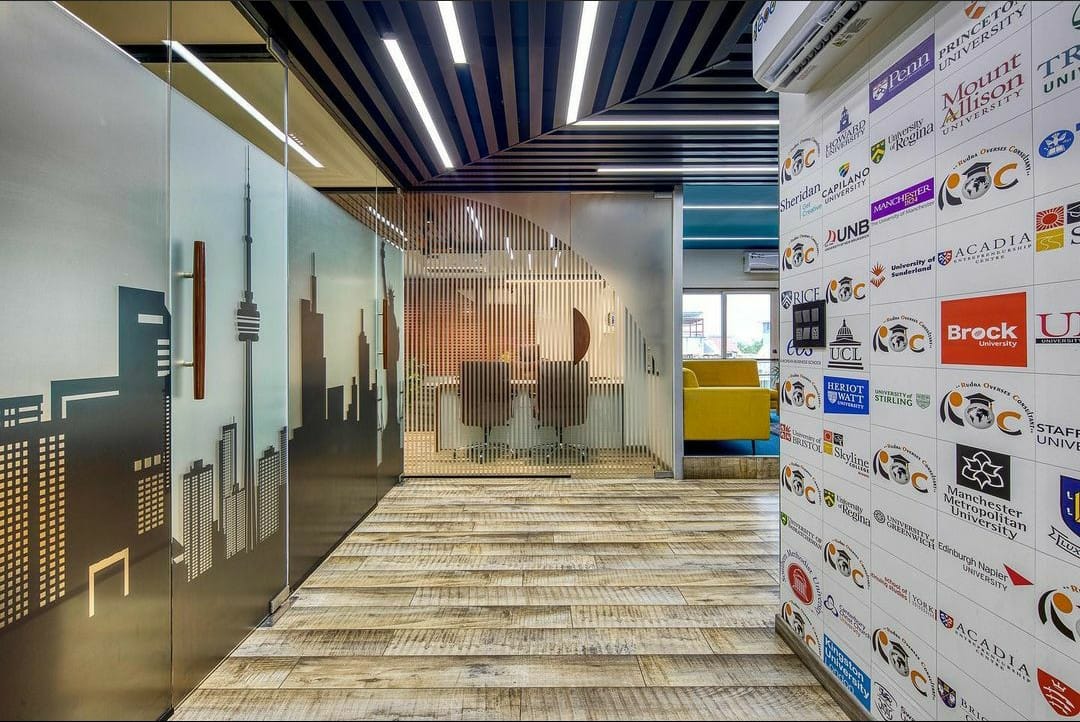
Linear Baffle Ceilings: Featuring parallel blades suspended from T-bar systems, these are ideal for open spaces requiring improved acoustics. Concealed Systems: These offer seamless designs that hide structural elements like grids and ductwork while integrating lighting and ventilation systems. Plank Panels: Long panels used to cover large areas; customizable for unique designs. Curved Systems: Suitable for open plenum applications; these add dynamic shapes to interior spaces.
Applications of Metal Ceilings Metal ceilings are widely used across various sectors:
Commercial Spaces: Offices benefit from their acoustic control and energy efficiency features.
Healthcare Facilities: Their resistance to bacteria and allergens makes them ideal for hospitals.
Retail Stores: Metal ceilings enhance lighting efficiency while creating visually appealing interiors.
Public Venues: Airports and auditoriums use durable metal systems to withstand heavy traffic while maintaining aesthetic appeal.
Installation Methods Metal ceilings can be installed using suspension systems tailored to the specific design requirements of the space. Open plenum designs allow easy access to building systems above the ceiling grid, while concealed systems provide a clean finish by hiding structural elements like pipes or cables.
Conclusion Metal ceilings represent the perfect fusion of style, functionality, and sustainability in modern architecture. Their durability ensures long-term performance with minimal maintenance costs, while their customizable designs cater to diverse aesthetic preferences. As architects increasingly prioritize energy efficiency and environmental impact, metal ceilings stand out as a forward-thinking solution that enhances both form and function in any space.